Ask a Family Dentist: Do We Inherit Our Parents’ Dental Health?
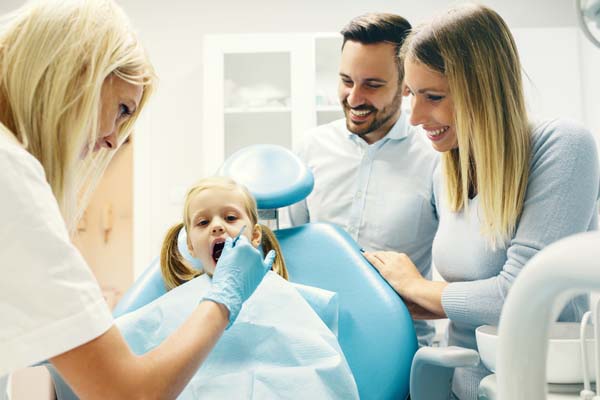
A family dentist will be the first to tell you that we inherit many things from our families. The lucky ones inherit fortunes. But what else is passed down to us?
Our looks. Our height, or lack thereof. The color of our skin, our eyes and our hair. All these things are passed down to us. They are present in our genetic code, which we pass along as well. Along with traits like intelligence and certain hereditary diseases, we can also pass along an often ignored trait: dental health.
A family dentist talks about dental problems you might have inherited
There are aspects of our dental health that we can inherit from our parents and pass on to our children. Sometimes, not always. But there are also aspects of dental health that are entirely caused by environmental factors. There is a third aspect of dental health that is a little bit of both.
Let us take a look at all three categories:
Risk of gum disease
A person with a family history of gum disease is more likely to develop gum disease. This is in comparison to someone who does not have gum disease in their family. However, just because gum disease runs in the family does not mean that the person has to deal with it.
That is where a family dentist comes in handy. Since they know the parents’ dental history, a family dentist can take measures to prevent gum disease in the next generation. Regular dental checkups will allow a family dentist to keep a close eye on their patient’s gums.
With proper care, a person with a family history of gum disease can get through life without suffering from it.
Risk of tooth decay
Some people were born to develop a thick layer of enamel. Others have a family history of softer teeth. Such people are at a higher risk of bacterial attacks. Because harmful mouth bacteria find it easier to breach a thin layer of enamel.
A family dentist can perform regular cleaning and dental treatments to keep the teeth intact. They will also teach their patient to be meticulous with their oral health.
It is possible for a person that is prone to tooth decay to go their whole lives without the need for so much as a filling. What that person may not be able to dodge are the yellow teeth that come with thinner enamel.
A bad bite caused by a congenital problem in the jaw
This one is not as easy to dodge. The jaw will form as specified in the blueprint provided in our genetic material. A person that is born with jaws that are too small for all their teeth will likely develop crowded teeth. A person with jaws that significantly differ in size will have a severe overbite or underbite.
The good news is that a family dentist will use the dental history of parents and siblings to treat their patient. A family dentist will use information from other family members to anticipate problems and start treatment as early as possible.
People can also inherit good oral habits
Young children learn by imitation. Good or bad, the things children learn from their home environment can stay with them for life. A family dentist teaches children about good oral health habits in ways that stick. They also guide parents on how to encourage and enforce the same oral habits at home.
Contact our Bellevue clinic to learn more about preventing oral issues other members of your family have battled.
Request an appointment here: https://www.implantdentalbellevue.com/ or call Bellevue Implant & Cosmetic Dentistry at (425) 249-9186 for an appointment in our Bellevue office.
Check out what others are saying about our services on Yelp: Read our Yelp reviews.
Related Posts
Restorative and cosmetic dentistry are dental disciplines that offer similar services. However, they serve distinct purposes and treatment goals. Understanding the differences between a restorative dentist and a cosmetic dentist can help you make informed decisions about your dental care.Restorative dentistry is a dental specialty that focuses primarily on repairing or replacing damaged or missing…
A dental bridge is a reliable method for replacing missing teeth, helping individuals restore their chewing ability and improve the appearance of their smile. Empty spaces left by lost teeth create noticeable issues over time. Fortunately, this tooth replacement option prevents adjacent teeth from drifting into the space and restores a balanced bite. A clear…
Curious about what a restorative dentist does? Read on to learn more. The unexpected nature of dental injuries can turn ordinary moments into emergencies. These injuries impact oral health and comfort, whether it is from sports mishaps, accidental falls, or an auto accident. A restorative dentist has the skills and tools to repair and restore…
Your restorative dentist can offer different treatment modalities for your damaged teeth. There are different degrees of dental damage. A thorough assessment can help the dentist determine which can help you the most. Here are the details on what a restorative dentist can use to treat your damaged teeth.Tooth decay can cause cavities, and these…